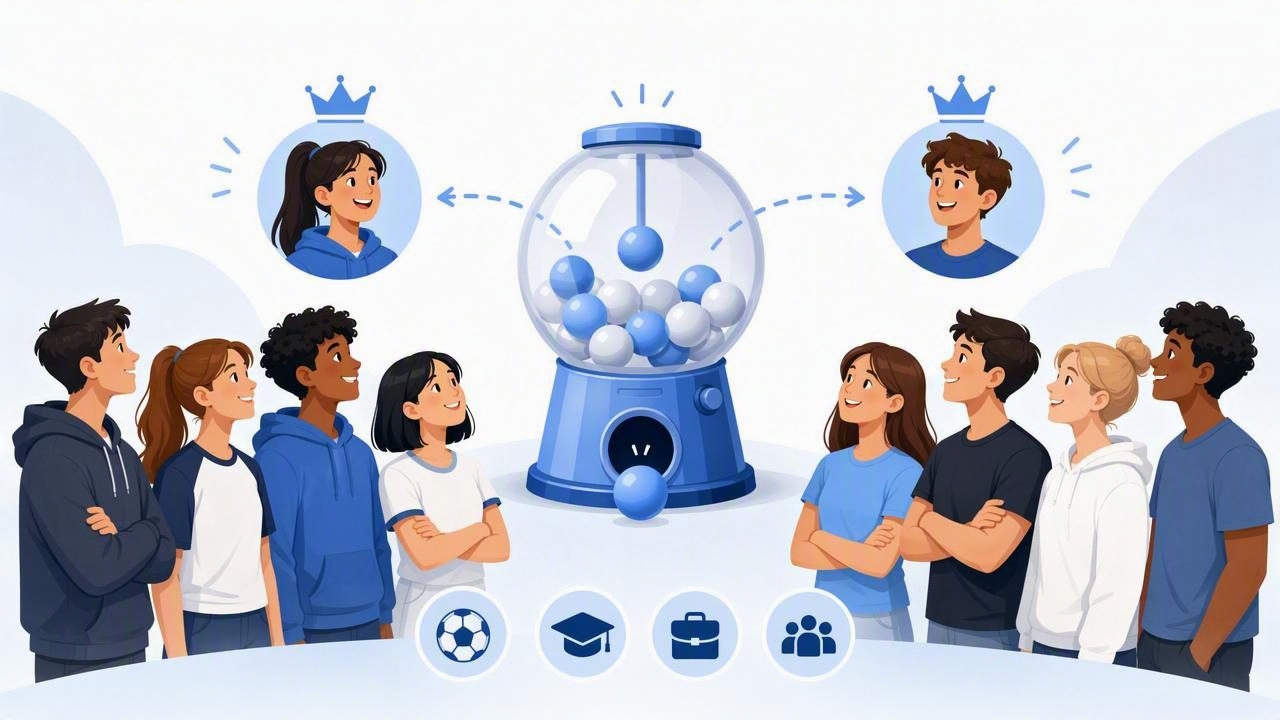
Choosing team captains should be quick, fair, and free from awkward debates. Yet in classrooms, casual sports games, office events, and family competitions, the question of who gets to pick first can create more tension than the game itself. A random team captain picker removes the pressure by giving every eligible person an equal chance to become captain.
Whether you are organizing a kickball game, dividing students into project groups, setting up a trivia night, or planning a friendly tournament, random captain selection is a simple decision-making tool that keeps the focus where it belongs: on having fun and participating.
This guide explains how to choose captains randomly, when different methods work best, and how to create balanced teams after the captains are selected.
Why Use a Random Team Captain Picker?
A random team captain picker is any method that selects one or more captains by chance. Instead of relying on popularity, athletic ability, seniority, or whoever speaks up first, the process gives each person the same opportunity.
Random selection is especially useful when people have different skill levels or when a group has had disagreements about team choices in the past. It establishes a neutral starting point before anyone begins choosing teammates.
- It feels fair: Everyone can see that captains were not chosen based on favoritism.
- It saves time: A quick random pick avoids long discussions and delays.
- It reduces social pressure: No one has to volunteer, nominate friends, or decline the role publicly.
- It adds excitement: A simple reveal can make organizing the game part of the fun.
- It works for many groups: Kids, adults, coworkers, classmates, and friends can all use it.
The best method is not necessarily the flashiest one. It is the one your group understands, accepts, and can use quickly.
5 Easy Ways to Pick Team Captains Randomly
1. Use a Name Wheel
A customizable name wheel is one of the most visual and engaging options. Add every eligible participant's name, spin the wheel, and select the first name as Captain One. Remove that name, spin again, and select Captain Two. Continue if you need more captains.
This approach is ideal for classrooms, parties, camps, and casual games because the group can watch the result happen. It is also easy to customize: add colors, labels, or different groups of names before spinning.
For best results, make sure every person appears only once on the wheel unless your group has agreed to weighted odds for a specific reason.
2. Try a Finger Chooser for In-Person Groups
When everyone is standing nearby, a finger chooser provides a fast, interactive option. Each eligible player places one finger on a screen, and the tool randomly highlights a chosen finger. Repeat the process to select another captain.
This method is particularly useful for playground games, gym classes, picnics, and impromptu activities. There is no need to type names, prepare paper slips, or remember a list. Everyone takes part in the selection moment, which can make the decision feel more transparent.
3. Draw Names From a Container
The classic paper-slip method still works well. Write each name on similarly sized pieces of paper, fold them the same way, place them in a hat or container, mix thoroughly, and draw the required number of captains.
Use this method when screens are not appropriate or when you want a hands-on activity. For fairness, avoid using different paper colors, shapes, or fold styles that could make certain names recognizable.
4. Assign Numbers and Use a Random Number Generator
Give each participant a number, then use a random number generator to choose captain numbers. If there are 18 players, assign numbers 1 through 18 and generate one result for the first captain. Generate again for the second captain, skipping any number that has already been selected.
This is a practical choice for large groups because it is quick and does not require entering long names. It also works well when people are joining remotely or when a facilitator already has a numbered roster.
5. Flip a Coin for Two Preselected Finalists
A coin flip is best when the group has already narrowed the decision to two equally suitable captain candidates. For example, perhaps two people volunteered, or it is their turn based on a rotation. Heads selects one person; tails selects the other.
A coin flip is simple, but it is not the best random team captain picker for a full group because it only compares two outcomes. Use a name wheel, finger chooser, draw, or number generator when everyone should have an equal chance from the beginning.
Which Captain-Picking Method Fits Your Group?
| Method | Best For | Main Benefit | Keep in Mind |
|---|---|---|---|
| Name wheel | Classes, parties, clubs | Visual and exciting | Enter names before starting |
| Finger chooser | Small in-person groups | Very fast and interactive | Everyone needs to reach the device |
| Paper draw | Screen-free settings | Simple and familiar | Mix slips carefully |
| Random numbers | Large groups and rosters | Efficient and organized | Assign numbers clearly |
| Coin flip | Two finalists | Instant tiebreaker | Not suitable for large groups |
How to Keep Randomly Chosen Teams Balanced
Selecting captains fairly is only the first step. If captains then choose only their closest friends or strongest players, the final teams may feel uneven. A good process combines random captain selection with simple rules for building teams.
Use Alternating Picks
The familiar draft format is easy to understand: Captain One picks a teammate, Captain Two picks a teammate, and the turns continue until everyone has a team. To reduce the first-pick advantage, use a snake draft. Captain One picks first, Captain Two picks next, Captain Two picks again, and then Captain One picks twice.
- Randomly choose two captains.
- Randomly decide which captain starts.
- Use a snake draft for larger groups.
- Set a short time limit for every pick.
- Make one fair trade if teams are clearly unbalanced.
A time limit matters. It prevents captains from overthinking and helps avoid uncomfortable pauses while players wait to be chosen.
Randomize the Entire Team Assignment
If the activity is casual, skip captain drafting altogether. Put every name into a random team generator or draw colored slips that correspond to teams. This is often the kindest option for younger children or groups where being selected last could hurt feelings.
For example, if you have 12 players and need three teams, assign four people to each color or number. Random team assignment is fast, impartial, and less likely to create cliques.
Balance Skills Without Making It Personal
For competitive games, a facilitator can quietly sort participants into broad groups before random selection. You might create a mix of experienced, developing, and new players, then randomly place one person from each group onto every team.
The goal is not to rank people publicly. Instead, it is to give every team a reasonable chance to enjoy the activity. Keep categories broad, explain the purpose respectfully, and avoid announcing labels such as “best” or “weakest.”
Simple Rules That Make the Process Feel Fair
Even a truly random result can be questioned if the process is unclear. Before selecting captains, explain the rules in one or two sentences. This creates trust and prevents arguments after the result is shown.
- State who is eligible to be a captain.
- Confirm how many captains you need before starting.
- Show the complete list of names or numbers.
- Do not reroll because someone dislikes the outcome.
- Allow a redraw only for a clear practical reason, such as a selected person leaving early.
- Use a rotation next time if the same people regularly end up leading.
Fair does not always mean everyone gets the result they want. It means everyone understands the same rules and receives the same chance.
Common Random Team Captain Picker Questions
How many captains should a group have?
Most games need two captains because there are two teams. Choose three or four captains for multi-team tournaments, relay stations, project groups, or activities with several tables. Aim for teams that are close in size so no captain has a major advantage.
What if a selected captain does not want the role?
Let participants opt out before the random selection begins whenever possible. If someone declines after being selected, remove their name and make another random pick. There is no need to pressure someone into leading a team if they are uncomfortable.
Can captains pick themselves onto their own teams?
Yes. Captains are automatically part of their own teams. Count each captain when calculating how many teammates remain to be selected.
What if the same person becomes captain repeatedly?
Randomness can sometimes create repeat results. If your group meets often, use a simple eligibility rule: previous captains sit out of the next round of captain selection. That preserves a random process while sharing leadership opportunities over time.
Make Quick Choices Without Slowing Down the Fun
A random team captain picker is more than a shortcut. It is a practical way to make group decisions feel neutral, inclusive, and easy to accept. Pick a method that matches your setting, explain the rules before you begin, and use a balanced draft or full-team randomizer when needed.
For everyday games and group activities, offline decision-making tools can be especially useful when Wi-Fi is unavailable. Apps such as Decision Chooser combine options like a finger chooser, name wheel, coin flip, and random number generator, making it easier to settle quick choices wherever your group happens to be.
