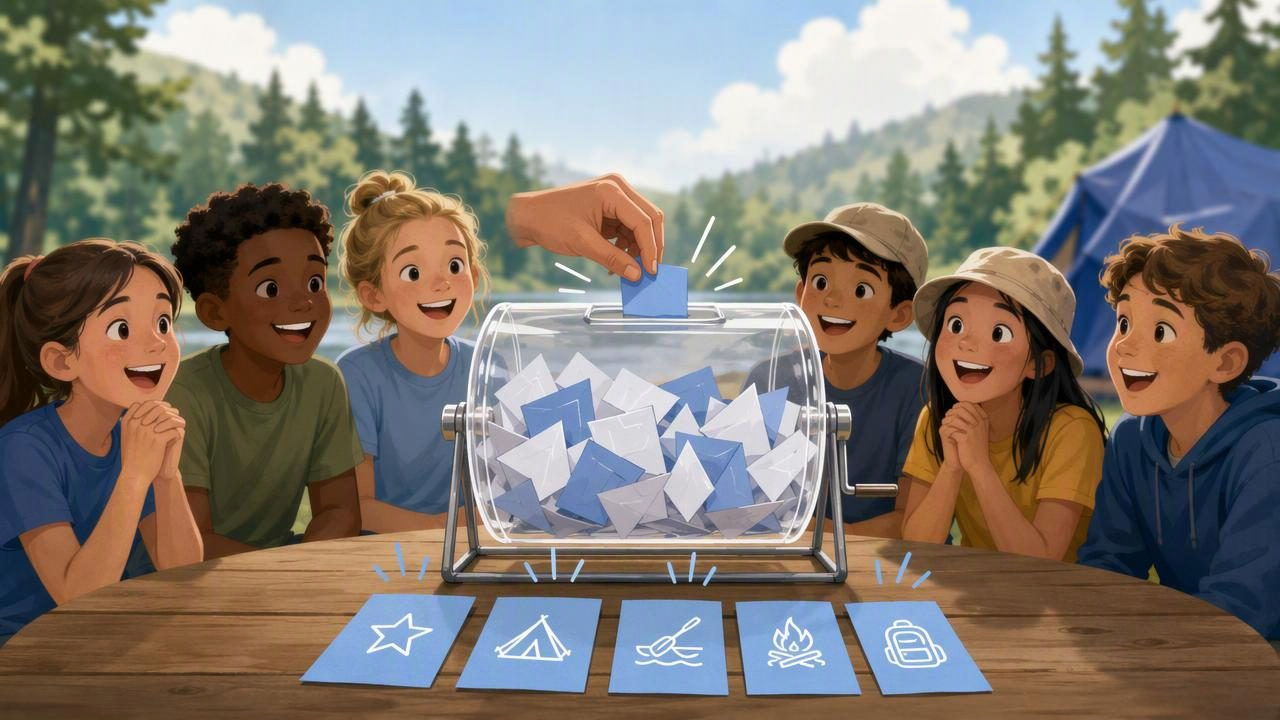
A multiple winner picker can help camp leaders make quick, clear choices when several campers need to be selected at once. Whether you need two volunteers for a game, three helpers for lunch setup, or a small group to lead an activity, a simple selection method can reduce delays and avoid debates about who was picked.
At camp, choices often happen in busy moments: before an activity begins, while groups are waiting in line, or when leaders need extra hands. A multiple winner picker is useful because it gives everyone an understandable process. Instead of choosing based on who speaks first, stands closest, or has already volunteered repeatedly, campers can see that the selection is made using the same rule for everyone involved.
This guide explains how to use a multiple winner picker for camp groups, when it works best, how to explain it fairly, and what its limits are.
What Is a Multiple Winner Picker?
A multiple winner picker is any method that selects more than one person in a single round. Rather than choosing one winner, the leader chooses a set number of participants, such as two, three, or four.
For camp groups, that could mean selecting:
- Two campers to demonstrate a craft activity
- Three volunteers to carry equipment
- Two team captains for a short game
- Four campers to start at different activity stations
- A few helpers for cleanup or meal preparation
- Several players for a special challenge round
The goal is not simply to make a random choice. It is to make a quick choice that the group can understand. When campers know how winners are chosen, the result is less likely to feel personal.
Why Camp Leaders Need Quick Group Selection
Camp schedules move quickly. Leaders may need to choose people while managing equipment, supervising safety, answering questions, and keeping a larger group engaged. A long discussion about who should go first can slow down the whole activity.
A multiple winner picker can be especially helpful when:
- Several campers want the same role.
- There is not enough time for every camper to participate immediately.
- You need a small number of volunteers for a task.
- You want to avoid always selecting the loudest or fastest volunteers.
- The group needs an easy rule before a game can begin.
For example, imagine a camp counselor needs three helpers to bring balls, cones, and water bottles to the field. Ten campers volunteer at once. Rather than spending several minutes deciding, the counselor can announce that three helpers will be selected using one quick method. The other campers can begin walking to the field while the selected helpers complete the task.
When a Multiple Winner Picker Works Best
This approach is most useful for casual, low-stakes camp decisions. It works well when the role is brief, fun, or easy to rotate later.
| Camp situation | How many winners? | Why it works |
|---|---|---|
| Choosing game demonstrators | 2–3 campers | Everyone can see the selection and the activity starts quickly. |
| Selecting cleanup helpers | 2–4 campers | Small tasks can be shared without a lengthy volunteer debate. |
| Picking challenge participants | 2–5 campers | A short activity can begin while others cheer or prepare for a later round. |
| Choosing station starters | 3–4 campers | Leaders can spread early participants across stations. |
| Picking activity leaders | 2 campers | Two people can hand out materials or explain simple rules. |
It is less suitable for decisions involving safety, discipline, medical needs, leadership appointments, or opportunities with significant consequences. Those situations require leader judgment, clear eligibility rules, and sometimes a more deliberate process.
How to Use a Multiple Winner Picker With Campers
The best camp selection method is one that takes only a few seconds to explain. Before you begin, state the number of winners and what they will do. This prevents confusion after the result.
- State the task clearly. Say exactly what the selected campers will do. For example: “We need three people to help set up the relay race.”
- Set the eligibility rule. Decide who may participate. You might include all interested campers, only campers who have not helped yet, or only those who are ready for the activity.
- Announce the number of winners. Let the group know before selection: “We are choosing two helpers this round.”
- Run the selection. Use the agreed method in view of the group whenever possible.
- Repeat the opportunity later. Keep track informally of who has participated when the role is popular or recurring.
The key is consistency. If you say that two winners will be selected, do not add a third person afterward because they look disappointed. If another role opens up, explain that it is a new round with a new selection.
A Practical Finger Picker Example
A finger picker is a convenient option for a small group standing together. Campers place a finger on the screen, and the tool selects one or more winners from the fingers currently participating.
Suppose five campers volunteer to be flag bearers for a short opening activity, but you need only two. Ask the five volunteers to gather around, explain that two winners will be selected, and have each camper place one finger on the screen. Once the two winners are selected, thank the remaining volunteers and tell them when another opportunity will be available.
This method is particularly practical for small, in-the-moment choices. It is not designed for a whole cabin, an entire camp assembly, or an unlimited number of simultaneous participants. If your tool supports two to five fingers, only two to five campers can join that selection round at once.
For a larger group, use a simple two-stage approach. First, ask each cabin, table, or team to choose one representative through a method that suits that smaller group. Then use the picker with the representatives. This keeps the final selection manageable without pretending that every camper can fit into one screen-based round.
Important Limits: Selection Is Not Team Balancing
A multiple winner picker chooses people; it does not automatically create balanced teams. If you need equal team sizes, mixed ages, or a particular combination of skills, you will still need to organize the teams yourself.
For instance, selecting four winners may give you four campers who are all from the same cabin or who all prefer the same activity. That may be perfectly fine when choosing cleanup helpers. It may not be ideal when forming teams for a competitive game.
Use a multiple winner picker for the part of the decision that is casual: choosing captains, selecting first participants, or finding volunteers. Then apply your own camp rules for team sizes, safety needs, and supervision.
Simple rule: Use a picker to make a quick choice, but use leader judgment when the decision affects safety, access, or group balance.
How to Keep Repeated Selections Fair
Campers notice patterns. Even a clear selection method can feel frustrating if the same people repeatedly get the best jobs or activity roles. The solution is not to make every decision complicated. Instead, add a light rotation rule for popular opportunities.
Try one of these approaches:
- Give priority to non-participants: If someone was selected earlier, encourage them to let others join the next round.
- Use separate rounds: Choose two winners now and two different winners later.
- Rotate by cabin or group: Give each cabin a turn to provide volunteers.
- Offer equivalent roles: If two campers are chosen to lead a game, let others lead the next setup, scorekeeping, or demonstration task.
- Explain the plan aloud: Tell campers that today’s winners will sit out the next similar selection.
These small steps matter because a picker handles one moment, while fairness at camp often depends on what happens across an entire day or week.
Camp Activity Ideas for Multiple Winners
Choose Demonstrators Before a Game
Select two or three campers to show how a game works. This is useful for relay races, scavenger hunts, simple dance activities, or craft instructions. Keep the demonstration short so the selected campers do not gain an outsized advantage when the game begins.
Pick Helpers for Setup and Cleanup
Choose several helpers for practical tasks such as laying out markers, passing out supplies, carrying lightweight equipment, or collecting materials. Always match tasks to age, ability, and supervision requirements.
Select First-Round Participants
For a talent activity, trivia challenge, or obstacle course, select a few first-round participants. Make it clear that being selected first does not mean being the only participant. Continue with later rounds so more campers can join.
Choose Small Activity Leaders
Pick two campers to help introduce a song, lead a cheer, or distribute craft materials. These roles work best when the instructions are simple and the leader remains nearby.
Tips for Explaining the Choice Without Arguments
Most objections happen when campers do not understand the rule, not necessarily because they dislike the result. A short explanation before selection can prevent many complaints.
- Say what is being decided before anyone participates.
- Say how many winners there will be.
- Use the same process for similar choices during the activity.
- Do not promise everyone a turn unless you can realistically provide one.
- Offer a clear next chance when a role is popular.
- Keep the tone light: the selection is for a camp activity, not a judgment of who is best.
If a camper is disappointed, acknowledge it briefly: “I know you wanted to help. We will choose new helpers for the next round.” Then move the group forward. Long negotiations can make a quick-choice tool feel like the start of a debate rather than the end of one.
Choosing the Right Tool for a Small Camp Group
For a small group of two to five campers, a finger picker can make multi-winner choices fast and visible. It is especially useful when everyone is nearby and the decision is casual. For a bigger group, narrow the participants first, use rounds, or rotate opportunities by cabin.
If you want a simple offline option for small group decisions, Decision Chooser’s random finger picker guide explains how a finger-based selection can be used for quick single- and multi-winner choices.
Ultimately, the best multiple winner picker process is one campers can understand immediately: define the task, set the number of winners, include only eligible participants, and create another chance later. That combination keeps camp activities moving while giving group choices a clearer sense of fairness.
