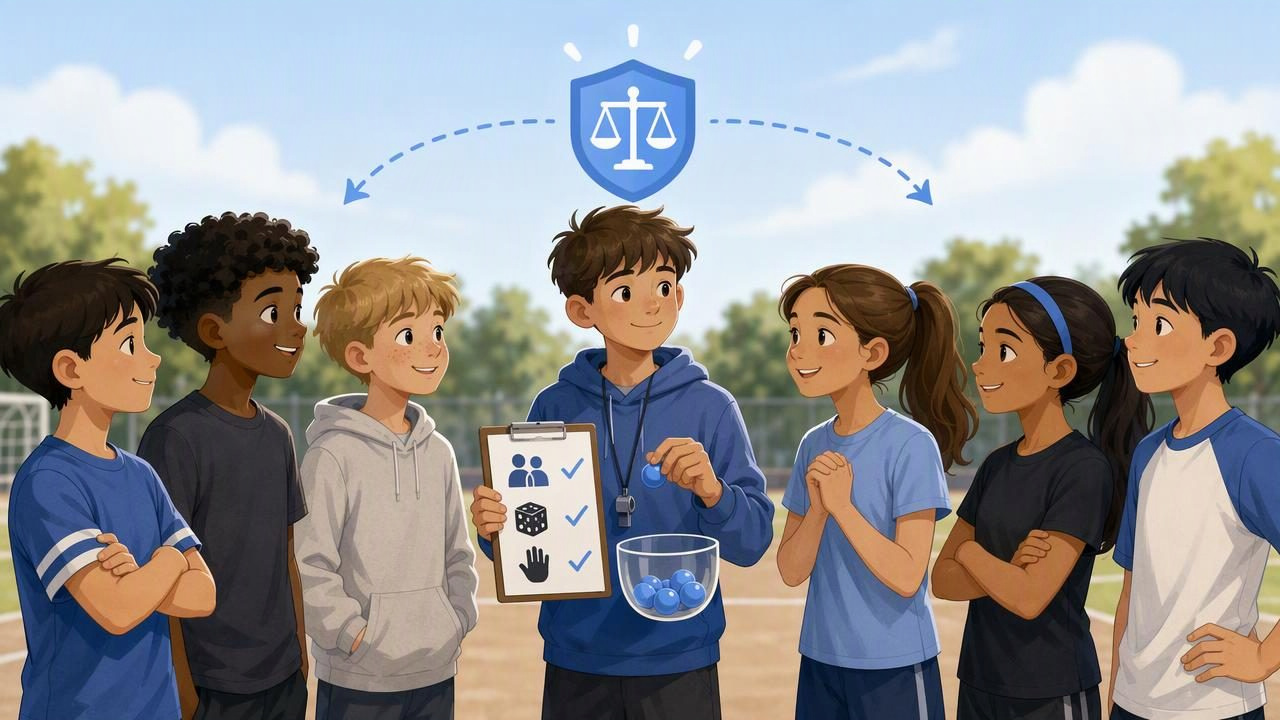
Choosing players sounds simple until a group starts debating who is strongest, who was picked last time, or who deserves a turn. Whether you are organizing a playground game, a family activity, a classroom challenge, or a casual sports match, the selection process can set the tone for everything that follows.
If people feel ignored or believe the process is unfair, a quick game can become an argument before it even begins. The good news is that learning how to pick players without arguments does not require complicated rules. It requires a clear method, consistent expectations, and a choice system that everyone understands before the game starts.
This guide explains practical ways to choose players fairly, reduce tension, and keep group games moving. It also includes examples for small groups, tips for handling difficult moments, and limitations to consider when using random selection.
Why Picking Players Causes Arguments
Arguments often happen because player selection feels personal. A person may assume they were not chosen because someone thinks they are less skilled, less popular, or less important to the group. Even when that is not the intention, unclear choices can create those feelings.
Common causes of disagreements include:
- Captains picking friends first.
- People believing the same players always get selected.
- Unclear rules about who can play.
- Too many people for the available spaces.
- Adults or organizers changing the rules halfway through.
- Arguments about who should go first or who deserves a place.
The best way to prevent these problems is to avoid making the selection feel like a popularity contest. A fair process does not guarantee that every person gets the outcome they want, but it gives everyone a clear and equal understanding of how the decision will be made.
Set the Rules Before Choosing Anyone
Before you pick players, explain the basics. This takes less than a minute and can prevent several minutes of debate later. Tell the group how many players are needed, whether there will be substitutes, and what method will be used to choose participants.
For example, you might say:
“We need four players for this round. Everyone who wants to play can join the selection. We will use a random method, and the people not chosen will get priority in the next round.”
This statement works because it answers three important questions: how many spaces are available, who is eligible, and what happens to those who are not selected.
When people know there will be another opportunity, they are often more willing to accept a result they do not love. A simple rotation plan can make a major difference in recurring games.
Choose the Right Method for Your Group
There is no single perfect way to pick players. The best approach depends on the group size, the type of game, the age of participants, and whether skill balance matters. Below are several practical methods.
| Method | Best For | Main Benefit | Watch Out For |
|---|---|---|---|
| Random selection | Casual games and quick activities | Reduces favoritism | May not create evenly skilled teams |
| Taking turns | Repeated games or activities | Everyone gets a chance over time | Requires someone to remember the order |
| Volunteer sign-up | Optional activities | Lets interested people participate | Confident people may always volunteer first |
| Captain picks | Games where strategy matters | Can help build competitive teams | Can feel personal or exclusionary |
| Skill-based placement | Practice sessions and organized sports | Can create closer matches | Needs careful, respectful judgment |
For most casual settings, a random method or a turn-based rotation is usually the easiest answer. Both methods reduce the pressure on one person to decide who is “good enough” to play.
Use Random Selection for Casual Group Games
Random selection is useful when you need a fast answer and do not want anyone accused of choosing favorites. You can use slips of paper, numbered cards, a coin flip for simple two-person choices, dice, or a finger-based random picker for small groups.
A finger picker works especially well when participants are already standing together and want an immediate result. Each person places one finger on the screen, and the selection is made from the people participating in that moment. For casual group decisions, this can be less disruptive than writing names down or searching for materials.
However, random selection should be explained clearly. Random does not mean every outcome will feel perfect. It means that each eligible participant has the same chance under the agreed method.
Concrete Example: Picking Four Players From Five Friends
Imagine five friends want to play a four-player racing game, but only four controllers are available. Instead of letting the loudest person decide, agree on this process:
- Confirm that all five friends want to play.
- State that four people will play the first round.
- Use a random selection method to choose four players.
- Ask the person not selected to choose the game mode, track, or music for the first round if appropriate.
- Give that person priority for the next round.
This method avoids arguing about who played last week, who owns the game, or who is best at racing. The person who waits still has a defined role and knows they will not be forgotten in the next round.
Create a Rotation So Nobody Is Left Out
Random choices are helpful for one-off decisions, but a rotation is often better when the same group plays several rounds. Without a rotation, the same unlucky person could be left out repeatedly, even if every individual selection is technically fair.
A simple rotation can work like this:
- Anyone who sits out one round moves to the front of the line for the next round.
- Players who have already played two rounds wait while others get a chance.
- Keep a visible list of the order if the activity lasts a long time.
- Reset the rotation only after everyone has had a comparable opportunity.
This approach is particularly useful for classroom games, after-school clubs, family tournaments, and lunch-break activities. It combines fairness in the moment with fairness across the whole event.
Separate Player Selection From Team Selection
One common mistake is trying to solve every decision at once. First, determine who will play. Then decide how those players will be divided into teams, who goes first, or who gets a specific role.
Breaking the process into smaller decisions makes it easier to explain and reduces confusion. For example:
- Select six people to play.
- Choose two captains randomly or by taking turns.
- Assign the remaining players to teams using an agreed method.
- Randomly choose which team starts.
Keeping these decisions separate prevents one argument from becoming several arguments. It also gives the group a chance to focus on one fair rule at a time.
When Captain Picks Are Appropriate
Captain picks can be enjoyable in some games, especially when participants understand the format and the group is comfortable with friendly competition. But this method needs care. Being picked last can be discouraging, particularly for younger players or people who are new to the activity.
If you use captains, consider adding protective rules:
- Rotate captain roles between rounds.
- Do not allow captains to choose the same friends every time.
- Use a snake draft, where the second captain gets two picks after the first captain chooses.
- Choose captains randomly rather than based only on popularity or skill.
- Use random assignment instead if the group is becoming uncomfortable.
Captain picks are usually less suitable when there are more participants than available spaces. In that situation, random selection plus a rotation is often kinder and easier to manage.
Use Clear Language When Someone Is Disappointed
Even the fairest process can lead to disappointment. The goal is not to pretend that nobody will care about the result. The goal is to respond calmly and consistently.
Helpful phrases include:
- “I know you wanted to play this round. You have priority for the next one.”
- “We agreed to use the same method for everyone.”
- “The selection was random, so nobody was personally excluded.”
- “Let’s keep the rule the same instead of changing it after we know the result.”
- “You can help choose the next activity while you wait.”
Avoid saying things such as “It is not a big deal” or “Stop complaining.” Those responses can make a person feel dismissed. Acknowledging disappointment while keeping the agreed rule is usually more effective.
Limitations of Random Player Pickers
Random methods are excellent for quick choices, but they are not the answer to every group problem. It is important to understand their limits.
- Random selection does not balance skill levels. If you need evenly matched teams, use a thoughtful team-building method after selecting players.
- It does not replace a rotation. Repeated random results can still leave someone out more than once.
- It works best with a small, present group. A finger-based picker is designed for casual decisions among the people physically participating, not for large roster management.
- It cannot solve unclear eligibility rules. Decide who can join before starting the selection.
- It may not suit serious competitions. Organized leagues may need formal registration, safety requirements, or established competition rules.
For small casual choices, a finger-based method generally supports two to five simultaneous participants and can select a single winner or multiple winners. That makes it practical for deciding who plays first, who gets a limited spot, or who takes a particular role, but it is not intended to manage a large class or create balanced teams automatically.
A Simple Fairness Checklist
Before selecting players, quickly check the following:
- Have we said how many player spaces are available?
- Does everyone know who is eligible?
- Have we explained the selection method before using it?
- Will people who wait get priority later?
- Are we choosing players separately from teams and turn order?
- Are we applying the same rule to everyone?
If the answer is yes to these questions, your group is much more likely to accept the outcome and move on to the fun part: playing.
Make the Choice, Then Start the Game
The most effective way to pick players without arguments is to make the process visible, simple, and consistent. Explain the rule first, use a neutral method, and create a plan for people who are waiting their turn. Fairness is not only about the result; it is also about whether everyone can understand how that result happened.
For a quick small-group option, the Decision Chooser random finger picker guide explains how a finger-based random choice can help settle casual player decisions when two to five people are ready to choose.
