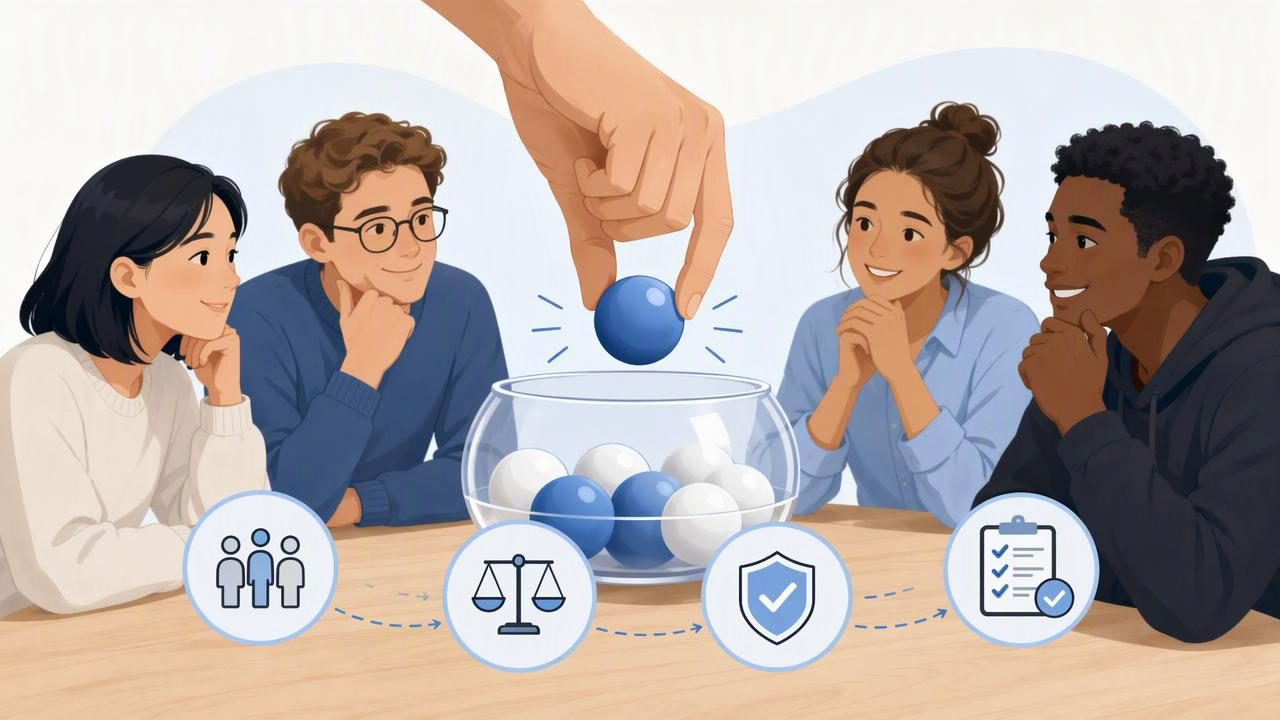
A fair random picker can settle small group decisions quickly without turning a simple choice into a long discussion. Whether you need to choose who starts a board game, select a volunteer, pick the next person in line, or settle a friendly disagreement, randomness gives every eligible participant the same chance.
However, random does not automatically mean fair. A choice feels fair when the group understands the method, agrees on who is included, and can see that nobody is influencing the result. The best process is simple enough to explain in one sentence: everyone who is eligible joins, the picker makes a random selection, and the group accepts the outcome.
This guide explains how to use a fair random picker for casual group decisions, what rules to set before choosing, and when a random method is not the right tool.
What Makes a Random Picker Fair?
A random picker is a method that chooses one or more people without using personal preference, negotiation, or a predetermined order. The picker might use fingers placed on a screen, a wheel, a coin flip, numbered slips, or dice. The tool matters less than the process around it.
For a choice to feel fair, it needs four basic qualities:
- Equal eligibility: Everyone who qualifies has the same opportunity to be selected.
- Clear participation: The group knows exactly who is included before the selection begins.
- Visible method: Participants can see the selection happen rather than hearing about it afterward.
- Consistent rules: The group does not change the criteria after seeing the result.
For example, four friends want to decide who chooses the first game. If all four agree to participate, place a finger in the picker at the same time, and accept the selected person, the process is fair. If someone joins after the result because they dislike the winner, the process stops feeling fair even if the tool itself is random.
Start With the Decision, Not the Tool
Before opening a picker, define what the result will decide. This avoids confusion and makes it easier to choose the right method.
| Situation | What the picker decides | Helpful rule |
|---|---|---|
| Board game night | Who goes first | Everyone playing is eligible. |
| Class activity | A volunteer for a small task | Exclude anyone who already volunteered for that task. |
| Family choice | Who picks the movie | Winner chooses from pre-agreed options. |
| Party game | One or more winners | State the number of winners before selecting. |
| Shared chores | Who gets first choice of task | Use a separate fair method to assign the remaining tasks. |
A fair random picker is especially useful for quick choices where the stakes are low and the group wants to move on. It is less suitable when a decision requires skill, responsibility, consent, or careful consideration of people’s needs.
A Simple Process for Fair Small-Group Selections
Use this five-step process whenever you want a result that people will accept without debate.
- State the decision. Say what is being chosen: “We are picking one person to start the next round.”
- Confirm who is eligible. Ask who is participating before anyone is selected.
- Choose the method together. A finger picker, coin flip, wheel, or dice all work when everyone agrees beforehand.
- Run one visible selection. Let participants watch the selection and avoid interruptions.
- Apply the result immediately. Move on to the next step instead of reopening the decision because someone is disappointed.
The key is to make decisions about the process before the outcome appears. If the group decides after the result whether to accept it, the random picker becomes a suggestion rather than a shared rule.
Concrete Example: Choosing Who Goes First
Imagine five people are about to play a card game. They have spent several minutes debating who should deal first, and nobody has a strong claim. A fair random picker is a good fit because the decision is small, immediate, and reversible in later rounds.
Here is a clear approach:
- All five players agree that the picker will decide the first player.
- They agree that the selected player will deal and take the first turn.
- Everyone participates at the same time.
- The picker selects one player.
- The group starts the game, with later rounds following the game’s normal turn order.
This example works because the consequence is limited. No one loses access to the game, and everyone will still get turns. A random selection removes the unnecessary argument while keeping the atmosphere light.
Useful rule: Use randomness to break ties or assign a small privilege, not to avoid a conversation that the group genuinely needs to have.
How to Make a Finger Picker Feel Fair
A finger picker is particularly convenient for groups already standing or sitting together. Instead of creating a list or handing out numbers, participants place a finger on the device and wait for a selection. This makes the pool of participants easy to see.
To keep it fair, set a few ground rules:
- Tell everyone to place a finger only after the instruction is given.
- Wait until all eligible participants are ready before starting.
- Do not add or remove a participant once the selection begins.
- For multiple winners, announce the number needed before starting.
- If someone cannot participate physically, choose another accessible method rather than excluding them.
Finger-based selection works best for a small group. It is designed for casual decisions involving two to five simultaneous fingers, and it can be used to select one winner or multiple winners. It is not a replacement for a large attendance list, a formal giveaway system, or a process that needs detailed records.
Random Picker Rules That Prevent Arguments
Most disagreements do not come from randomness itself. They come from unclear expectations. These short rules can make group choices smoother:
Agree on rerolls before the first result
Decide whether a reroll is ever allowed. A sensible policy is to reroll only if there was a genuine interruption, such as someone’s finger slipping off before the selection started. Do not reroll simply because someone dislikes the result.
Define exclusions in advance
Sometimes not everyone should be included. For instance, if a person already chose the last movie, the group may agree they sit out this round. Say so before selecting, not after their name or finger is chosen.
Use turns when fairness matters over time
Randomness gives equal chances in one moment, but it does not guarantee equal outcomes across several rounds. If the same person wins two selections in a row, that can happen randomly. For repeated privileges, combine the first random choice with a rotation afterward.
When a Fair Random Picker Is Not the Right Choice
A fair random picker is useful, but it has limits. It should not decide issues where a random result could be unsafe, harmful, or unreasonable.
- Do not use it to assign serious responsibilities without considering ability or consent.
- Do not use it for high-value prizes or situations requiring formal eligibility checks.
- Do not use it when participants need accessibility accommodations that the chosen method does not support.
- Do not treat it as proof of a certified, audited, or legally compliant draw.
- Do not use it to force a person into an activity they do not want to do.
In these situations, a discussion, a rotation, a qualified organizer’s decision, or a documented process may be more appropriate. Randomness is strongest when it solves a low-stakes tie fairly and quickly.
Fair Random Picker Checklist
Before making the choice, ask these questions:
- Is this a low-stakes decision suitable for chance?
- Have we clearly said what the result will decide?
- Does everyone eligible know they are included?
- Have we agreed on the picker before seeing the outcome?
- Do we know whether we need one winner or several?
- Have we set a reasonable reroll rule?
- Are we ready to accept the result and move forward?
If the answer is yes to each question, you have a practical process that is likely to feel fair to everyone involved.
Make Everyday Decisions Easier
A fair random picker does not have to make every decision for your group. Its value is in handling the little choices that can otherwise waste time: who starts, who chooses first, who takes the next turn, or who gets a small privilege. When the method is visible, agreed upon, and used consistently, randomness can reduce tension and help everyone get back to the activity.
For a simple finger-based approach to casual group choices, Decision Chooser’s random finger picker guide explains how this type of selection can work for one or multiple winners, including useful small-group limitations.
